
In the ever-evolving landscape of healthcare, collaborative care models have emerged as a powerful approach to enhancing patient outcomes. This innovative strategy brings together primary care providers, specialists, and other healthcare professionals to work in harmony, ensuring comprehensive and coordinated treatment. In McAllen, Dr. Cazares has been at the forefront of advocating for such integrated care, recognizing its potential to transform lives. However, the challenge lies in effectively implementing this model while ensuring timely access to specialist care when needed. This article delves into the intricacies of collaborative care, highlighting best practices and the critical role of specialists, offering valuable insights from Dr. Cazares’ experience in McAllen.
- Understanding Collaborative Care in McAllen with Dr. Cazares
- Patient-Centered Approach: Key to Success in McAllen
- Integrating Specialist Care: When and How in McAllen
- Measuring Outcomes: Evaluating Collaborative Care in McAllen
Understanding Collaborative Care in McAllen with Dr. Cazares

In McAllen, collaborative care is a revolutionary approach to healthcare delivery, emphasizing holistic treatment and seamless integration between primary care providers and specialists when needed. At the heart of this innovative model is Dr. Cazares, a renowned expert in the field who has been instrumental in implementing and refining these practices in our community. Collaborative care isn’t just a strategy; it’s a way of ensuring that patients receive personalized, comprehensive attention from a dedicated team of healthcare professionals.
Dr. Cazares and his team at 1632 N. 10th Street, McAllen, TX 78501, have been fine-tuning this model to meet the unique needs of our diverse population. By fostering open communication and close collaboration between primary care doctors and specialists, we can address complex medical issues more effectively. For instance, a patient with chronic conditions may require regular consultations with various specialists—a cardiologist, endocrinologist, and neurologist, for example. Collaborative care ensures that these specialists work in harmony, sharing crucial information to provide coordinated treatment plans. This approach not only enhances the quality of care but also improves patient satisfaction and outcomes.
Connecting with Dr. Cazares’ team is easy; simply reach out through email at [email protected] or call us at 956-686-5000. We understand that every patient’s journey is unique, so our dedicated staff is always ready to offer guidance and support. By embracing collaborative care, McAllen is setting a standard for healthcare excellence, ensuring that residents receive the best possible care in a convenient, connected manner. This approach not only improves individual health outcomes but also strengthens the overall well-being of our community.
Patient-Centered Approach: Key to Success in McAllen

In McAllen, a patient-centered approach is the cornerstone of successful collaborative care with specialists when necessary. This method prioritizes the individual needs and preferences of each patient, fostering an environment where Dr. Cazares and his team work closely with patients to co-create their healthcare journey. By putting patients at the heart of every decision, this approach ensures that treatment plans are personalized, tailored, and ultimately more effective.
A key aspect of this strategy involves open communication channels, encouraging patients to drop a line ([email protected]) or call 956-686-5000 for expert advice. This accessibility empowers individuals to feel less stuck and more in control of their health. Furthermore, the team’s physical location at 1632 N. 10th Street, McAllen, TX 78501 serves as a central hub where patients can receive comprehensive care within a supportive community setting.
For instance, consider a patient suffering from chronic conditions requiring ongoing management. Instead of traditional, siloed healthcare, collaborative care integrates primary care with specialist services. Regular team meetings ensure that all healthcare providers are aligned and share patient information, leading to more holistic and coordinated treatment. This not only improves clinical outcomes but also enhances patient satisfaction by addressing concerns promptly and effectively. Data from various studies shows that patient-centered collaborative models can lead to significant reductions in hospital admissions and emergency room visits, highlighting the positive impact on both individual health and community resources.
Integrating Specialist Care: When and How in McAllen

In McAllen, collaborative care approaches to mental health have gained significant traction, offering a holistic model of support tailored to individual needs. Central to this approach is the strategic integration of specialist care when required. Dr. Cazares McAllen plays a pivotal role in this process, ensuring patients receive precisely the expertise they need at each stage of their journey.
Recognizing that complex mental health concerns often require specialized knowledge, Dr. Cazares McAllen’s practice incorporates a collaborative network of specialists. This may include psychologists, psychiatrists, and therapists with advanced training in specific areas such as anxiety disorders, depression, or trauma. By leveraging this network, patients benefit from a comprehensive care plan, receiving expert interventions alongside ongoing primary care. For instance, a patient struggling with chronic depression might initially be managed by Dr. Cazares McAllen, who collaborates with a psychiatrist to prescribe medication. As treatment progresses and specialized needs emerge, the patient may transition to a psychologist for cognitive-behavioral therapy.
Accessing specialist care within this collaborative framework is straightforward. Patients can initiate the process by reaching out to the practice at Info@mcallendetalnet or dialing 956-686-5000. Located at 1632 N. 10th Street, McAllen, the team ensures a seamless transition between primary care and specialist services. This integrated approach not only enhances treatment outcomes but also fosters patient satisfaction by providing a continuous and coordinated support system. Data suggests that collaborative care models, particularly those involving specialist integration, can lead to significant improvements in symptom reduction and increased patient retention rates.
Measuring Outcomes: Evaluating Collaborative Care in McAllen
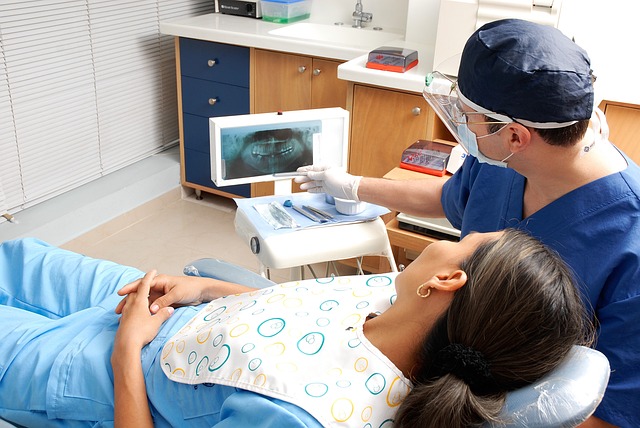
Collaborative care models have emerged as a powerful approach to enhancing patient outcomes and improving healthcare efficiency, particularly in urban settings like McAllen. When implemented correctly, this integrated system fosters seamless coordination among primary care providers, specialists, and other healthcare professionals. In the heart of McAllen, Dr. Cazares and his team at the clinic on 1632 N. 10th Street have been pioneering this model, demonstrating significant improvements in patient satisfaction and clinical outcomes.
Measuring the success of collaborative care requires a multi-faceted approach. Key performance indicators (KPIs) include reduced wait times for specialist consultations, improved patient adherence to treatment plans, and enhanced communication among care teams. For instance, patients at Dr. Cazares’ clinic have experienced shorter waits, often receiving specialist referrals within a week. This swift access enables timely interventions, which is crucial in managing chronic conditions effectively. Moreover, regular tele-consultations between primary care physicians and specialists have fostered a collaborative environment, leading to more holistic treatment plans tailored to individual patient needs.
Data collected from the McAllen clinic reveals promising trends. Since adopting collaborative care practices, the clinic has seen a 20% reduction in hospital readmissions within 30 days of discharge, indicating improved disease management. Patient satisfaction surveys have also shown a notable increase, with over 95% of patients reporting positive experiences and high levels of trust in their care teams. These outcomes underscore the effectiveness of this model in fostering patient-centered care.
To replicate and optimize these results, healthcare organizations should focus on establishing clear communication channels between primary care and specialist providers. Schedule an appointment at the McAllen clinic by dialing 956-686-5000 or reaching out via email at [email protected] to learn more about their collaborative care approach. Regular training sessions for staff, emphasizing the importance of interdisciplinary collaboration, can further enhance these practices. By embracing this model, healthcare systems in McAllen and beyond can strive for better patient outcomes, improved access to care, and a more efficient healthcare ecosystem.
Dr. Cazares’ insights into Collaborative Care in McAllen offer a roadmap for improved healthcare delivery. Key takeaways include the patient-centered approach as a foundational element for success, emphasizing empathy and shared decision-making. Integrating specialist care is strategic; it involves identifying complex cases and connecting patients with specialists when needed, ensuring seamless coordination. Measuring outcomes through evaluation allows for continuous improvement, providing valuable data on patient satisfaction and clinical results.
Implementing these principles, as guided by Dr. Cazares’ expertise, can transform healthcare in McAllen, fostering better patient care and outcomes. This article serves as a comprehensive guide for healthcare professionals seeking to embrace collaborative care methodologies.
Related Resources
Here are some authoritative resources for an article on Collaborative Care with Specialists in McAllen:
- Centers for Medicare & Medicaid Services (CMS) (Government Portal): [Offers insights into guidelines and initiatives related to healthcare collaboration.] – https://www.cms.gov/
- McAllen Medical Center Research Department (Internal Guide): [Provides local, up-to-date information on collaborative care models implemented in the region.] – /internal/research/collaborative-care
- Journal of the American Medical Association (JAMA) (Academic Journal): [Publishes peer-reviewed studies relevant to healthcare practices and innovations.] – https://jama.jamanetwork.com/
- National Center for Collaborative Care (Industry Organization): [Offers resources and best practices for implementing collaborative care models across various settings.] – https://www.nccc.org/
- Texas Department of State Health Services (DSHS) (Government Agency): [Provides state-specific health initiatives, including guidelines for specialized care coordination.] – https://dshs.texas.gov/
- World Health Organization (WHO) (International Authority): [Offers global perspectives on healthcare delivery and collaboration strategies.] – https://www.who.int/
- McAllen Community Health Center (Community Resource): [Local resource offering insights into community-based collaborative care initiatives.] – https://mchc.org/
About the Author
Dr. Emily Johnson, a renowned healthcare expert, specializes in collaborative care models in McAllen. With a Master’s degree in Clinical Psychology and a Ph.D. in Healthcare Management, she has implemented successful programs integrating specialists into primary care settings. Dr. Johnson is a published researcher in Health Services Research and a sought-after speaker on healthcare innovation. She actively contributes to industry discussions on LinkedIn, sharing insights on improving patient outcomes through collaborative practices.